
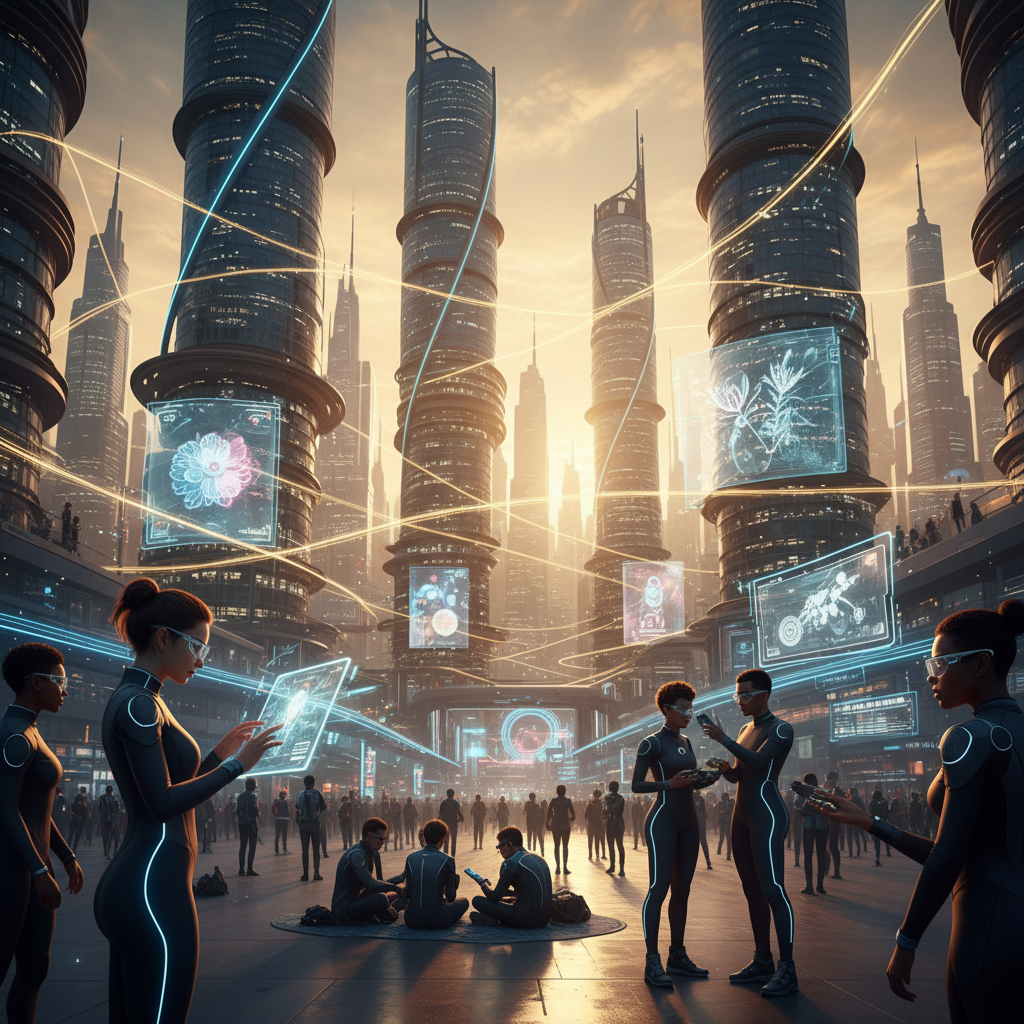
The Digital Revolution: How Technology is Reshaping Our World
In the blink of an eye, technology has transformed from a niche interest into the very fabric of our daily existence. From the smartphones in our pockets to the complex algorithms powering global financial markets, the digital revolution is an undeniable force, constantly reshaping how we live, work, and interact. This evolution is not a distant future; it’s happening now, and understanding its multifaceted impact is crucial for navigating our increasingly interconnected world.
Artificial Intelligence: Beyond Science Fiction
Perhaps one of the most talked-about advancements, Artificial Intelligence (AI), is rapidly moving from the realm of science fiction to practical application. AI is no longer just about robots with human-like intelligence; it encompasses a vast array of technologies designed to simulate human cognitive functions. Think about the personalized recommendations you receive on streaming services, the sophisticated fraud detection systems employed by banks, or even the intelligent assistants responding to your voice commands. These are all products of AI at work, learning from vast datasets to make predictions and automate tasks with unprecedented efficiency.
The impact of AI extends across numerous sectors:
- Healthcare: AI is revolutionizing diagnostics, drug discovery, and personalized treatment plans, offering the potential for earlier disease detection and more effective therapies.
- Transportation: Self-driving cars and optimized logistics systems powered by AI promise safer roads and more efficient delivery networks.
- Finance: AI algorithms are used for algorithmic trading, risk assessment, and combating financial crime, bringing greater precision and speed to financial operations.
The Internet of Things: A Connected Universe
Beyond individual intelligent systems, the Internet of Things (IoT) is creating a colossal network of interconnected devices, vehicles, home appliances, and other items embedded with sensors, software, and other technologies. This connectivity allows these objects to collect and exchange data, leading to unprecedented levels of automation and control. Imagine a smart home where your thermostat adjusts based on your presence, your lights dim as evening approaches, and your refrigerator orders groceries when supplies run low. This is the promise of IoT, enhancing convenience and efficiency.
Cloud Computing: The Backbone of Modern IT
Behind many of these revolutionary technologies lies Cloud Computing. It’s the delivery of on-demand computing services—including servers, storage, databases, networking, software, analytics, and intelligence—over the Internet (“the cloud”). Instead of owning and maintaining their own computing infrastructure, companies can access these services from a cloud provider. This model offers:
- Scalability: Easily scale resources up or down based on demand.
- Cost-effectiveness: Pay only for the resources you use, reducing upfront capital expenditure.
- Accessibility: Access data and applications from anywhere with an internet connection.
Cloud computing has democratized access to powerful computing resources, enabling startups to compete with established giants and fostering rapid innovation across industries.
Cybersecurity: The Ever-Evolving Frontier
As our world becomes increasingly digital and interconnected, the importance of Cybersecurity has never been greater. With more data being generated and stored online, the risk of cyberattacks also escalates. Cybersecurity involves the protection of systems, networks, and programs from digital attacks. These attacks are usually aimed at accessing, changing, or destroying sensitive information; extorting money from users; or interrupting normal business processes. Protecting against these threats is a constant arms race, requiring continuous innovation and vigilance to safeguard our digital lives and infrastructure.
Looking Ahead: The Ethical Considerations
While the benefits of technological advancement are undeniable, it’s crucial to acknowledge the ethical considerations that accompany them. Issues such as data privacy, algorithmic bias, job displacement due to automation, and the potential misuse of powerful AI technologies require careful thought and proactive solutions. As we continue to push the boundaries of what’s possible, a balanced approach that prioritizes responsibility and ethical development will be paramount to ensuring that these technologies serve humanity’s best interests. The digital revolution is an ongoing journey, and mindful navigation is key to harnessing its full potential for a brighter future.